- Services
- Laparoscopic surgery
- Abdominal wall reconstruction
- Hernia surgery
- Laser surgery for anorectal diseases
- Complex gastrointestinal surgeries
- Thyroid surgeries
- Diabetic foot surgery
- Reconstruction surgery
- Cyst & lipoma surgery
- Pancreatic diseases & associated surgery
- Breast Cancer Surgeries
- Laser Treatment For Varicose Veins (EVLT)
- Onco Surgery
Pancreatic Diseases & Associated Surgery
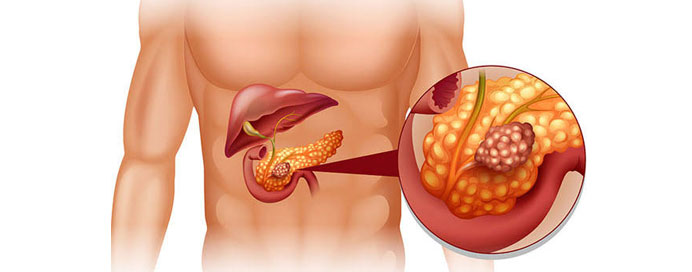
The pancreas is an important organ involved in digestion and blood sugar regulation. Pancreatic diseases can range from inflammatory conditions to cysts and tumours, and some may require surgical treatment. Management depends on the type, severity and location of the pancreatic condition.
Understanding Pancreatic Diseases
Pancreatic disorders may affect the structure or function of the pancreas and can present with abdominal pain, digestive problems, jaundice, weight loss or other symptoms. A detailed clinical assessment along with appropriate imaging and laboratory investigations helps establish the diagnosis and guide treatment.
- Acute and chronic pancreatitis
- Pancreatic cysts and selected cystic lesions
- Benign and malignant pancreatic tumours
- Pancreatic conditions associated with bile duct obstruction
When is Pancreatic Surgery Required?
Not every pancreatic condition requires surgery. Surgical treatment may be considered when there is a tumour requiring removal, a complicated pancreatic condition, persistent symptoms despite appropriate treatment or another structural problem that cannot be adequately managed with non-surgical methods.
- Surgery for selected pancreatic tumours
- Management of selected complicated pancreatic conditions
- Surgical treatment of selected pancreatic cystic lesions
- Procedures for pancreatic and associated biliary conditions when required
Comprehensive Pancreatic Care
Pancreatic surgery requires careful assessment and detailed planning because of the pancreas's close relationship with important abdominal organs and blood vessels. The treatment approach is individualized according to the diagnosis, extent of disease and overall health of the patient, with appropriate postoperative monitoring and follow-up.